Current Site
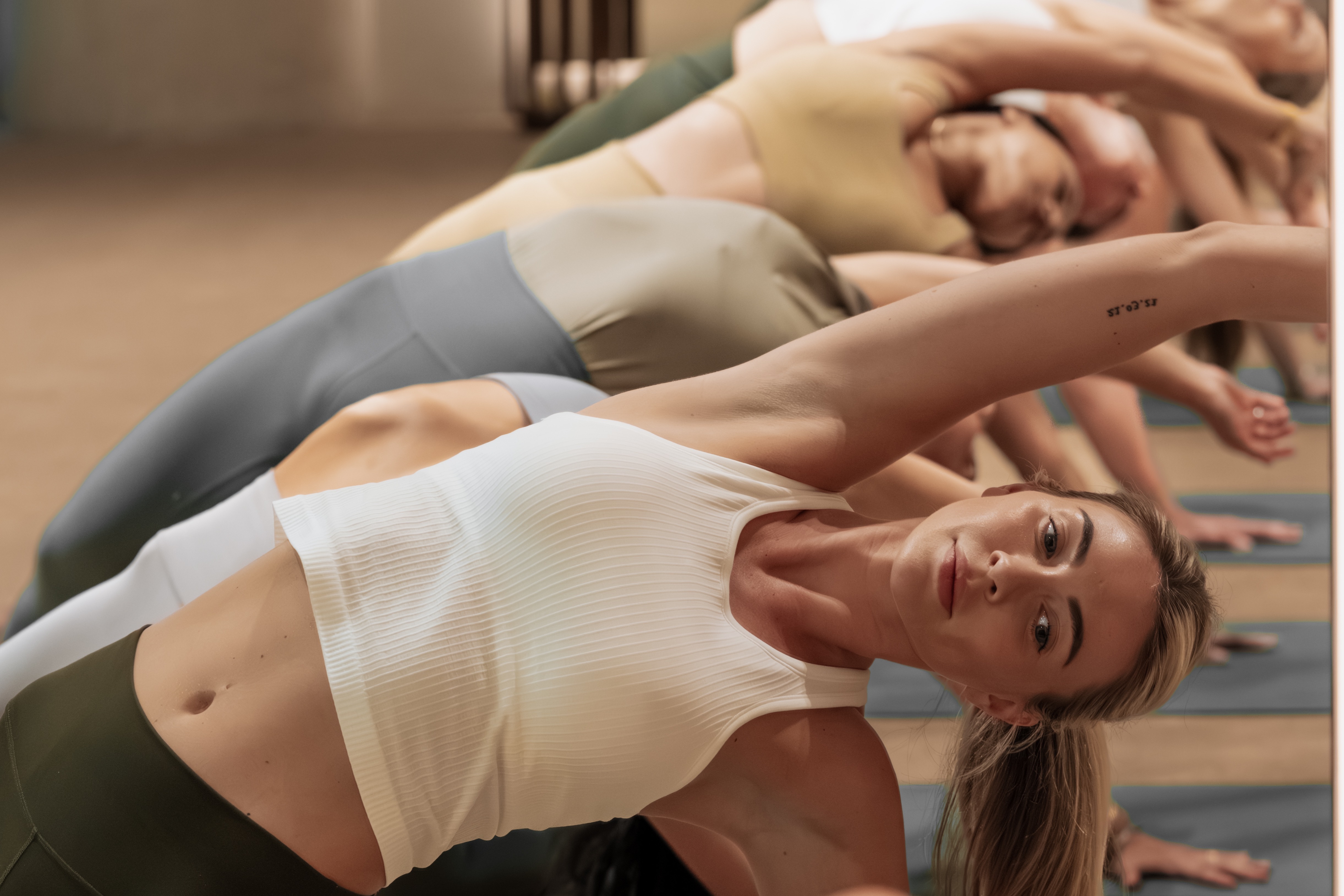
Low-impact exercise like Pilates and Lagree can help you build and maintain strength and stability during pregnancy. There are many benefits of Lagree and other Pilates-style exercises during pregnancy, including core strengthening, better mobility, and lower stress.
However, all Pilates exercises for pregnancy need modification. Our experienced coaches and Pilates-inspired classes at Reform Athletica can help you exercise while you adapt to a changing shape. This guide explains how we can help you prepare your body and mind for a healthy pregnancy and the safe delivery of your baby.
Exercise is usually safe during pregnancy, but you need to discuss your exercise plan with:
You will also need to make some changes to the way you exercise according to your stage of pregnancy.
Your medical provider knows if there are specific risk factors that could affect your safety while exercising. Always seek their advice before you start any pregnancy Pilates or other exercise program.
Exercise with the guidance of a qualified, experienced trainers who knows you are pregnant, especially if you are doing high-intensity exercise.
If you’re already pregnant before your first session at Reform Athletica, you will need to attend an introductory personal training session with us. Based on this, we may recommend personal sessions rather than group ones. If you’re a regular at Reform Athletica and then become pregnant, let us know and we will look into the necessary modifications. We recommend a PT session with our qualified trainers to go through the modifications to feel confident during a group class.
Lagree and Reformer pregnancy Pilates-style exercise is a low-impact, high-intensity workout that is usually safe during pregnancy. Your trainer can help you modify exercises according to your stage of pregnancy.
Pilates and Pilates-inspired movements are beneficial for almost everyone. This style of exercise can help you build strength and stamina, both of which will help you in the later stages of pregnancy, during delivery, and in postpartum recovery.
Exercise helps with sleep, mood, circulation and overall fitness, and reduces stress levels. Taking time to exercise can help reduce some pregnancy-related risks, such as gestational diabetes and high blood pressure.
A pregnancy Pilates workout is particularly beneficial for stability and can help you reduce the risk of falls. As your body changes shape, your centre of gravity shifts forward, making it harder to keep your balance.
Lagree and other Pilates-style exercises build core strength and improve mobility. This makes this style of exercise ideal for preparing your body for pregnancy, birth and beyond, it also focuses on breath which is essential for the correct function of the pelvic floor and to assist with a smoother delivery, it not only prepares you physically, but also mentally
As your body changes during pregnancy, you may find that your posture changes, too. This can cause back pain and discomfort. Lagree and Pilates exercises help support proper alignment. Our trainers will focus on strengthening the posterior chain.
As your pregnancy progresses, your exercise needs will change. The extra weight will cause greater strain on your muscles and joints, and you may feel more fatigued. Lagree and Pilates moves are easily adaptable.
Adapt the way you exercise as your pregnancy progresses.
You need to be mindful that a pregnancy hormone called relaxin makes your ligaments softer and looser to allow your body to change shape. This makes you more prone to injury, so always warm up safely, shorten the ROM of movements, which will be guided by the Trainer
The equipment used in Lagree and Reform Method during pregnancy is very supportive, helping you exercise in comfort and safety. Focus on:
DO work on building muscle, improving joint health, and flexibility. Your body will be grateful in the second and third trimesters.
DON’T forget that fatigue is common in the first trimester, so allow extra time to rest and recover after Pilates in early pregnancy.
Your body will begin to change shape, but relaxin will have peaked around 12 weeks, meaning your exercise needs will be changing.
In the second trimester, modify Pilates and Lagree exercises by focusing on:
DO continue to exercise regularly to maintain your strength and fitness.
DON’T continue an exercise if you feel pain; you are still at a higher risk of ligament damage.
In the third trimester, you will find that your range of motion changes. You must avoid twisting or any exercise that puts a lot of strain on your abdomen.
In the third trimester, modify Pilates and Lagree exercises to focus on:
DO work closely with your trainer to modify exercises.
DON’T overdo exercise; you will be more tired.
Pregnancy Pilates prepares your body and mind for birth. Post-pregnancy Pilates aids recovery after birth, and helps you rebuild strength and alignment. You can begin exercises similar to postpartum Pilates once you have completed post-birth checks with your medical provider and you have their go-ahead.
Yes, beginners can start exercises like Pilates while pregnant, as long as your doctor and instructor are aware. It’s important to focus on strength and stability during pregnancy, and Pilates is ideal for this.
Most healthcare providers recommend around 150 minutes of exercise per week, so two to three Pilates-inspired classes a week is ideal.
You can start prenatal Pilates and similar programs as soon as you are ready and your doctor has given the go-ahead.
At Reform Athletica, our experienced trainers will happily guide you through pregnancy Pilates-inspired moves and adaptations. For your optimal safety and progress, we recommend one-to-one classes with a personal coach. All our coaches are certified and can tailor your routines to suit your goals and your stage of pregnancy.
To find out more about our classes and training, get in touch today.